
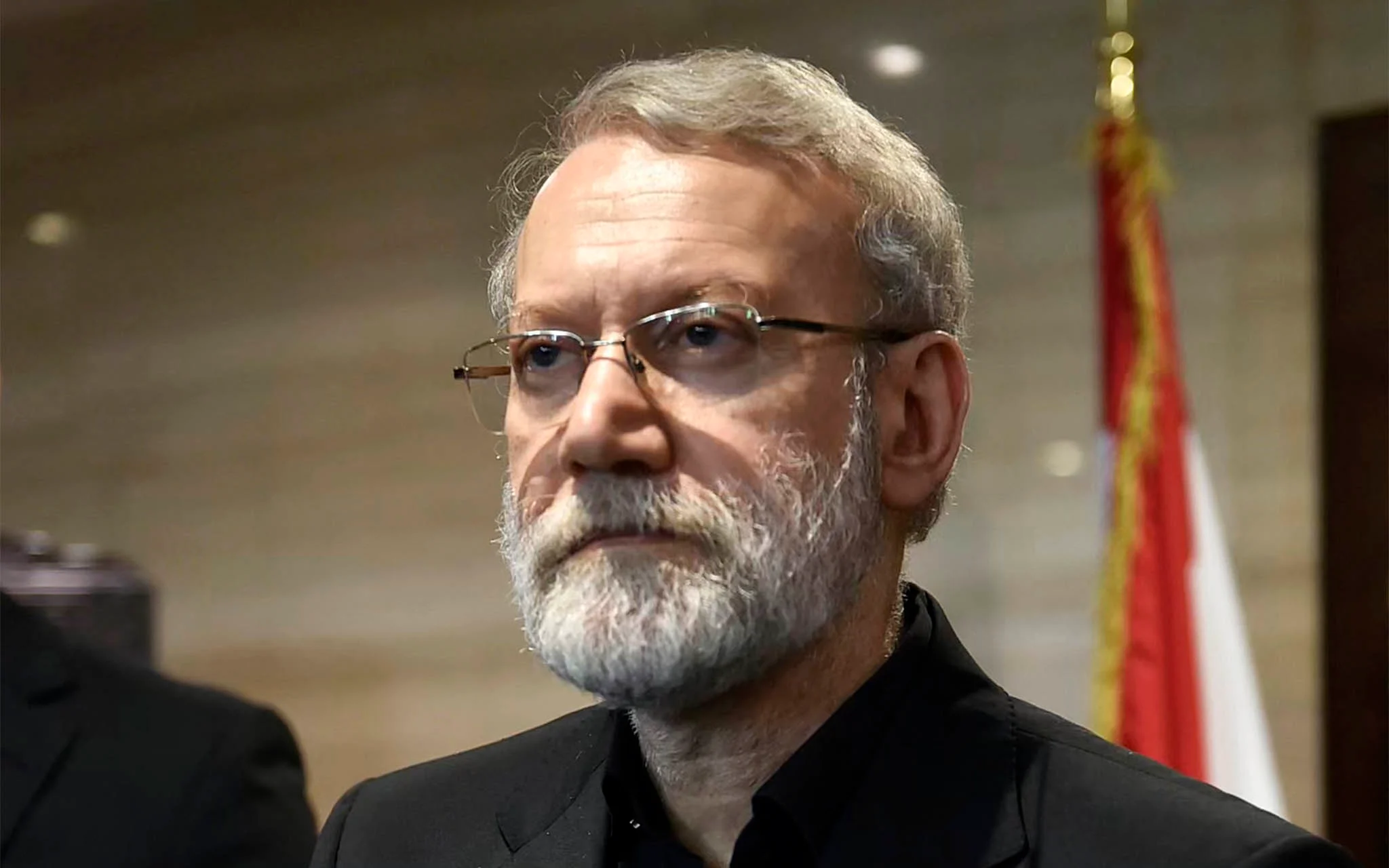

Iran’s top security official, Ali Larijani, has been killed in an Israeli airstrike, according to Iranian state media, marking a major escalation as the ongoing US-Israel conflict with Iran enters its third week.
Israel’s Defence Minister, Israel Katz, confirmed that Larijani was targeted and killed along with Gholamreza Soleimani, the head of Iran’s Basij paramilitary force, during overnight strikes near Tehran. These killings represent some of the most significant losses for Iran’s leadership, following the earlier reported death of Supreme Leader Ali Khamenei at the start of the conflict in late February.
Larijani, known for his pragmatic approach and deep involvement in nuclear negotiations, was widely viewed as a key figure who could have played a role in future diplomatic efforts. Iranian authorities have described his killing as an act of martyrdom in defense of the nation.
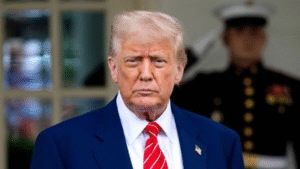
The development comes at a time of growing tension between the United States and its Western allies. US President Donald Trump strongly criticised NATO countries for not supporting efforts to secure the strategically crucial Strait of Hormuz, where Iran has disrupted oil tanker movement, impacting nearly 20% of global oil supply.
Speaking from the White House, Trump called NATO’s reluctance to contribute naval support a “serious mistake,” exposing widening cracks within the alliance. Several European nations have expressed hesitation, fearing deeper involvement in a prolonged and unpredictable conflict.
Back home, the Trump administration is also facing internal dissent. Joe Kent, Director of the National Counterterrorism Center, resigned in protest, arguing that Iran did not pose an immediate threat warranting military action. His resignation adds to criticism from both Democrats and some Republicans questioning the objectives of the war.
Meanwhile, the conflict continues to intensify. Iran has launched fresh missile attacks targeting central Israel and key infrastructure in the Gulf region, while US and Israeli forces have carried out further strikes on Iranian military sites, including those near the Strait of Hormuz.
Efforts to de-escalate the situation remain stalled, with reports suggesting that both Iran’s new leadership under Mojtaba Khamenei and President Trump have rejected ceasefire talks for now, leaving the region on edge with no immediate resolution in sight.