

India’s election season has officially begun, with polling scheduled in April across West Bengal, Assam, Tamil Nadu, Kerala, and the Union Territory of Puducherry. These elections carry significant political weight, as three of these regions are currently governed by non-BJP parties, while the BJP holds power in Assam and shares governance in Puducherry through a coalition.
Unlike previous elections that unfolded over multiple phases, this time most states will vote in a single phase. West Bengal stands as the exception, heading to the polls in two phases on April 23 and April 29, with results set to be announced on May 4. The responsibility now rests heavily on the Election Commission of India to ensure smooth, peaceful, and fair polling, while political parties prepare for intense and highly polarised contests.
With key southern states like Tamil Nadu and Kerala, alongside Puducherry, and eastern states such as West Bengal and Assam participating, the outcomes will serve as a broader indicator of public sentiment across these regions.
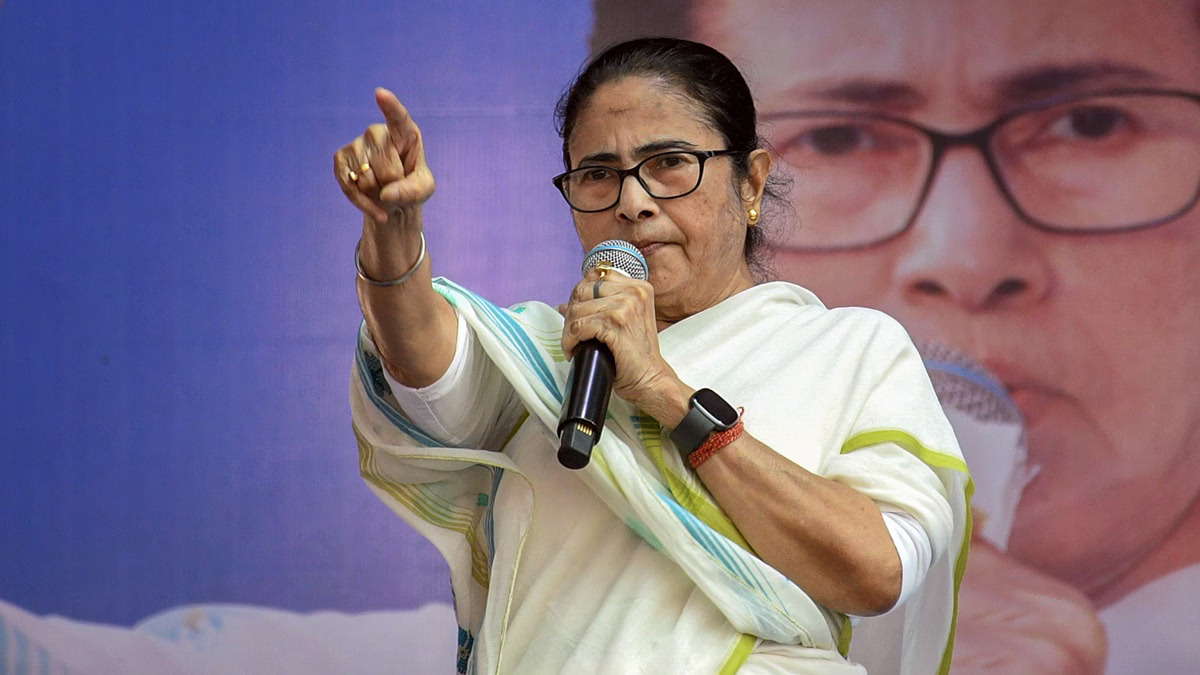
All eyes, however, are firmly on West Bengal. Chief Minister Mamata Banerjee is aiming for a fourth consecutive term, banking on her strong grassroots connect and welfare-driven governance, particularly benefiting women and marginalised communities. Yet, over a decade in power brings the inevitable challenge of anti-incumbency, with opposition parties expected to target issues like corruption, governance lapses, and law and order.
The Bharatiya Janata Party remains the principal challenger, looking to build on its impressive performance in the previous election, where it secured 77 seats and nearly 38% vote share. Despite its growing presence, the BJP faces internal organisational hurdles and continues to battle the Trinamool Congress narrative that portrays it as an “outsider” in the state.
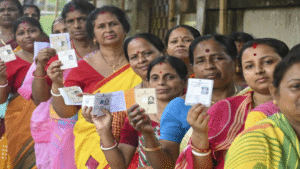
Adding another layer of complexity is the Election Commission’s recent Special Intensive Revision (SIR) of voter lists, which has led to the deletion of nearly 63 lakh voters—an unusually high number that could significantly influence the electoral outcome.
As campaigning intensifies, the spotlight is not only on political strategies but also on ensuring that the democratic process remains peaceful and credible. Ultimately, these elections must uphold the spirit of democracy—serving as a celebration of the people’s will, not a stage for conflict.