
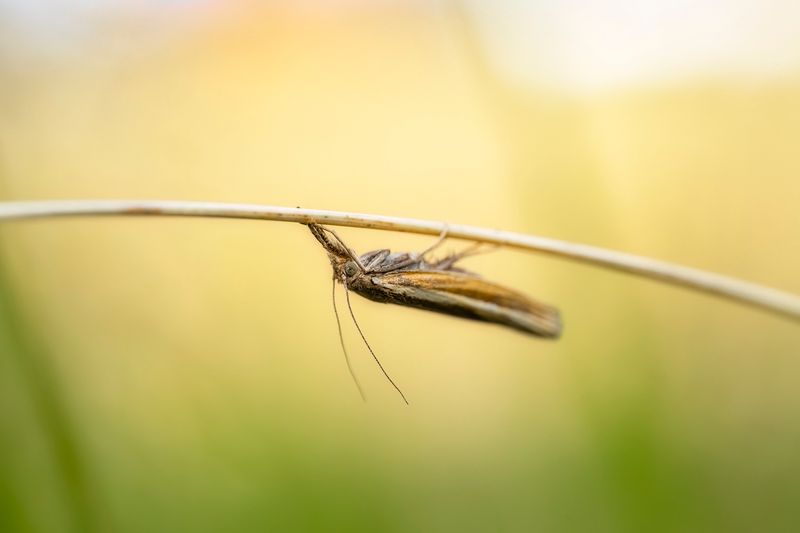

Scientists from the Zoological Survey of India have discovered two previously unknown species of lichen moths, Union Environment Minister Bhupender Yadav announced on Saturday, highlighting the significance of the finding for India’s biodiversity research.
Sharing the development on social media platform X, Yadav said the identification of the species Caulocera hollowayi and Asura buxa represents an important milestone in documenting India’s moth biodiversity. He added that the discovery also demonstrates the importance of continued taxonomic research in biodiversity-rich regions such as the Himalayas.
Research Published Internationally
The findings were published in the international taxonomic journal Zootaxa. The same research paper also reported seven new species records of lichen moths from India, further expanding scientific knowledge of the country’s insect diversity.
Discovery Locations and Researchers
According to Dhriti Banerjee, studies on lesser-known groups such as Lepidoptera—the order that includes butterflies and moths—are vital for understanding ecosystem processes and biodiversity patterns.
The two newly identified species were recorded from specimens collected in eastern Himalayan regions:
- Caulocera hollowayi – discovered near Golitar in Sikkim
- Asura buxa – identified in Panijhora, West Bengal
Distinct Biological Features
Researchers distinguished the new species through several unique characteristics, including differences in body scale patterns, bristle arrangements (chaetotaxy), specialised appendages, wing colouration and fascia patterns. They also noted variations in external genitalic structures such as the uncus, valva, tegumen, juxta and aedeagus, which help confirm species classification.
Indicator of Environmental Health
Banerjee emphasised that lichen moths are considered indicator species for air pollution, making them important for monitoring environmental conditions in fragile ecosystems like the Himalayas.
The discovery reinforces the ecological importance of India’s Himalayan region and the need for continued scientific exploration to better understand and protect its biodiversity.