

A recent study has revealed that the Pachmarhi Biosphere Reserve in central India lost about 13% of its forest cover between 1972 and 2020. Researchers say the decline is the result of a combination of rising temperatures, changing rainfall patterns, and human activities such as logging, grazing and land encroachment.
The reserve lies within the vast forest landscape of central India, which spreads across Madhya Pradesh, Maharashtra and Chhattisgarh and covers more than 40,800 square kilometres. Known for its rich biodiversity and strong tiger population, the region also contains some of the country’s largest continuous forest areas.
Researchers from the Central University of Jharkhand and Banaras Hindu University analysed 50 years of climate records along with satellite data to understand how environmental changes have affected the reserve. Their analysis found that around 391 square kilometres of forest cover disappeared during the period, with some areas turning into scrublands or being converted to other types of land use.
According to the researchers, the decline cannot be attributed to human activities alone. Climate change has also played a significant role in altering the structure and health of these forests.
Rising Temperatures and Changing Rainfall
The study found that temperatures in the region have steadily increased since the early 1970s, particularly during the post-monsoon season. When maximum temperatures rise above 32°C, the chances of forest fires increase significantly. Higher temperatures also weaken tree health and reduce canopy density.
Rainfall patterns have also shifted over time. The study observed that precipitation has gradually moved from the post-monsoon months to the pre-monsoon period, disrupting the natural seasonal cycles of forests. These changes affect forest phenology, or the timing of processes such as leaf growth and shedding.
Experts say such changes can impact how forests grow and regenerate. Dry deciduous forests, which already operate close to moisture stress levels, are especially vulnerable to prolonged droughts and rising heat.
Among the three main forest types in the Pachmarhi Biosphere Reserve—dry teak forests, moist teak forests and dry mixed deciduous forests—the dry teak forests experienced the largest canopy loss at over 41%, followed by dry mixed deciduous forests at nearly 20%.
Increasing Risk of Forest Fires
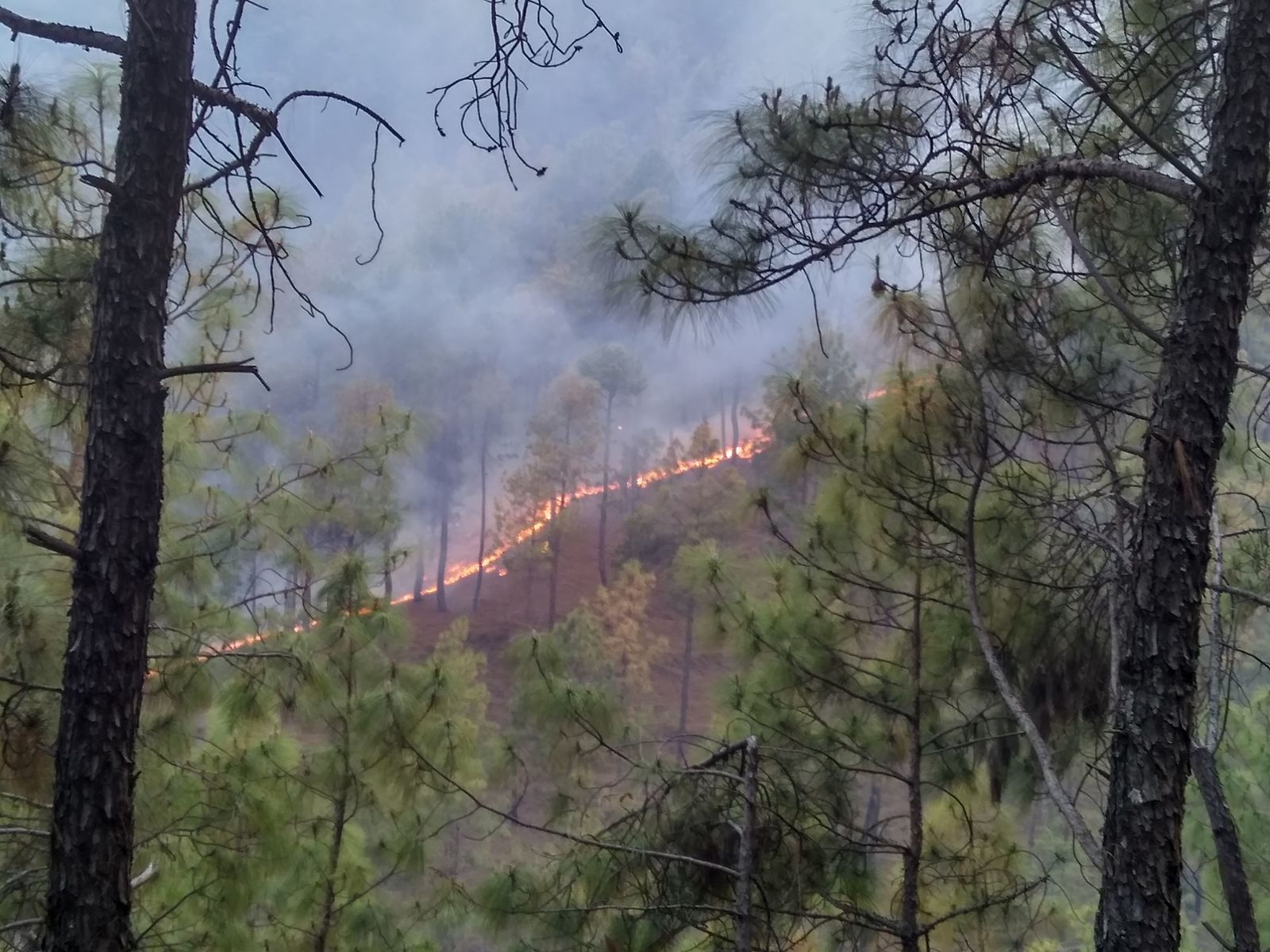
One of the most concerning outcomes of warming temperatures is the increased frequency of forest fires in the reserve. Researchers used climate data from the India Meteorological Department along with satellite imagery from Landsat missions to track these changes.
Higher temperatures not only increase fire risk but also affect the survival and distribution of plant species, gradually altering the overall forest ecosystem.
Signs of Recovery and the Role of Biodiversity
Despite these challenges, the study also found some encouraging signs. Satellite observations between 2006 and 2021 showed a rise in “greening” in certain areas of the reserve. Researchers believe government restoration initiatives, including programmes linked to REDD+ forest conservation efforts, may have contributed to this improvement.
However, scientists warn that these gains could be reversed if climate change continues to intensify.
Experts emphasise that biodiversity plays a crucial role in making forests resilient to climate change. Areas with a greater variety of plant species are more likely to survive environmental stress because different species respond differently to changing conditions.
A biodiversity survey of the reserve recorded around 190 plant species, including 85 tree species, 23 shrubs and 82 herbs. Notably, about 37% of these species appear on the IUCN Red List, highlighting the region’s ecological importance.
Why Conservation Matters
Scientists warn that degradation of central India’s forests could also affect rainfall patterns and agriculture, which remains heavily dependent on monsoon cycles. These forests are also vital for local communities that rely on them for minor forest produce and other non-timber resources.
Researchers say the future of central India’s forests will depend on strong conservation policies, sustainable land-use practices and active participation from local communities. Improved forest management and climate adaptation strategies will be essential to protect biodiversity and strengthen the resilience of these ecosystems in the decades ahead.