

LPG Gas Cylinder Shortage – Live Updates:
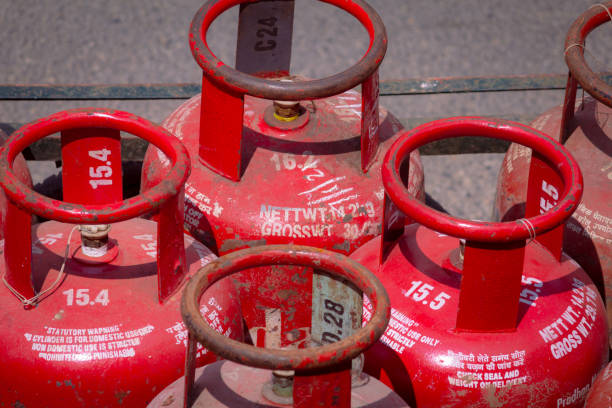
The ongoing conflict in West Asia is beginning to impact households and businesses across India, with reports of an LPG cylinder shortage causing long queues at distribution centres and a resurgence of the illegal or black market for cooking gas in several areas. The crisis is being linked to disruptions in global energy supply chains, particularly delays in fuel shipments passing through the strategically important Strait of Hormuz.
The conflict in the Gulf region has slowed the movement of energy supplies, affecting LPG availability and creating anxiety among consumers. Addressing the growing concerns, Prime Minister Narendra Modi warned against those spreading panic and misinformation about the situation. He stated that strict action would be taken against individuals or groups attempting to create unnecessary fear among the public.
Opposition Criticises Government’s Energy Strategy
Meanwhile, the opposition has strongly criticised the government’s handling of the situation. Leader of Opposition Rahul Gandhi accused the government of allowing the United States to influence India’s relationships with different oil suppliers.
Gandhi warned that the effects of the crisis are already beginning to appear across the country. According to him, restaurants are shutting down, street vendors are struggling to operate due to LPG shortages, and many households are worried about the availability of cooking gas. “The pain has just started,” he said, adding that the situation could worsen if immediate steps are not taken.
Government Says Energy Supply Remains Secure
Responding to the concerns, Petroleum and Natural Gas Minister Hardeep Singh Puri described the situation as an “unprecedented crisis” but assured Parliament that there is no shortage of petrol or diesel in the country. He explained that the panic surrounding LPG cylinders is largely driven by consumer anxiety rather than an actual supply collapse.
Puri also highlighted that India has significantly diversified its oil import routes in recent years. According to him, the country’s dependence on crude oil shipments through the Strait of Hormuz has reduced considerably. Nearly 70% of India’s crude oil imports now come from routes outside the Hormuz channel, strengthening the nation’s energy security and reducing vulnerability to regional conflicts.
While the government maintains that supplies remain stable, the situation continues to be closely monitored as the West Asia conflict evolves and its impact on global energy markets unfolds.
Global Markets Rattle as Oil Surges Past $100 Amid Ongoing Conflict
With the conflict showing no clear signs of ending, global financial markets are feeling the pressure as oil prices surge and stock markets decline worldwide. Crude oil prices have once again crossed the $100 per barrel mark, reflecting growing concerns over energy supply disruptions.
The price of Brent Crude, the international benchmark for oil, climbed as high as $101.59 per barrel overnight before easing slightly to $100.44, marking a sharp 9.2% increase. The surge in oil prices has been driven by fears that the ongoing conflict could further disrupt global energy supply routes and tighten fuel availability.
Global equity markets also reacted negatively to the uncertainty. The S&P 500 dropped 1.2%, returning to significant volatility after a brief period of stability earlier in the week.
Meanwhile, the Dow Jones Industrial Average fell by 607 points, or 1.3% during intraday trading, reflecting widespread investor caution. The technology-heavy Nasdaq Composite also declined 1.7%, adding to the global market downturn.
Analysts warn that if geopolitical tensions continue to escalate and energy supply routes remain under threat, oil prices and market volatility could remain high in the coming weeks, further affecting global economies and financial markets.